Inspiring Older Adults to Embrace Fitness Through Holistic Exercise Guidelines
Wiki Article
Staying active is essential for adults of every age group, but it becomes especially significant as persons grow older. For older adults, routine physical activity assists in preserving independence, improves mobility, and boosts overall well-being. Well-rounded fitness plans provide aging individuals with organized methods to fitness that include stability, mobility, power, and endurance. By adhering to well-designed fitness programs, elders can elevate their daily function while reducing the likelihood of falls, chronic diseases, and emotional difficulties.
Staying fit for aging individuals is not limited to intense routines or rigorous exercise regimens. It focuses instead on low-impact, steady, and ongoing movement that suits personal ability levels. Exercises such as walking, mobility work, yoga, and strength conditioning help retaining joint flexibility and firmness. Cardiovascular exercises like water fitness or indoor biking improve cardiovascular function, which are important for maintaining physical endurance and stamina. These physical practices also support mental function, as findings have indicated that routine fitness can enhance recall, mood, and mental performance.
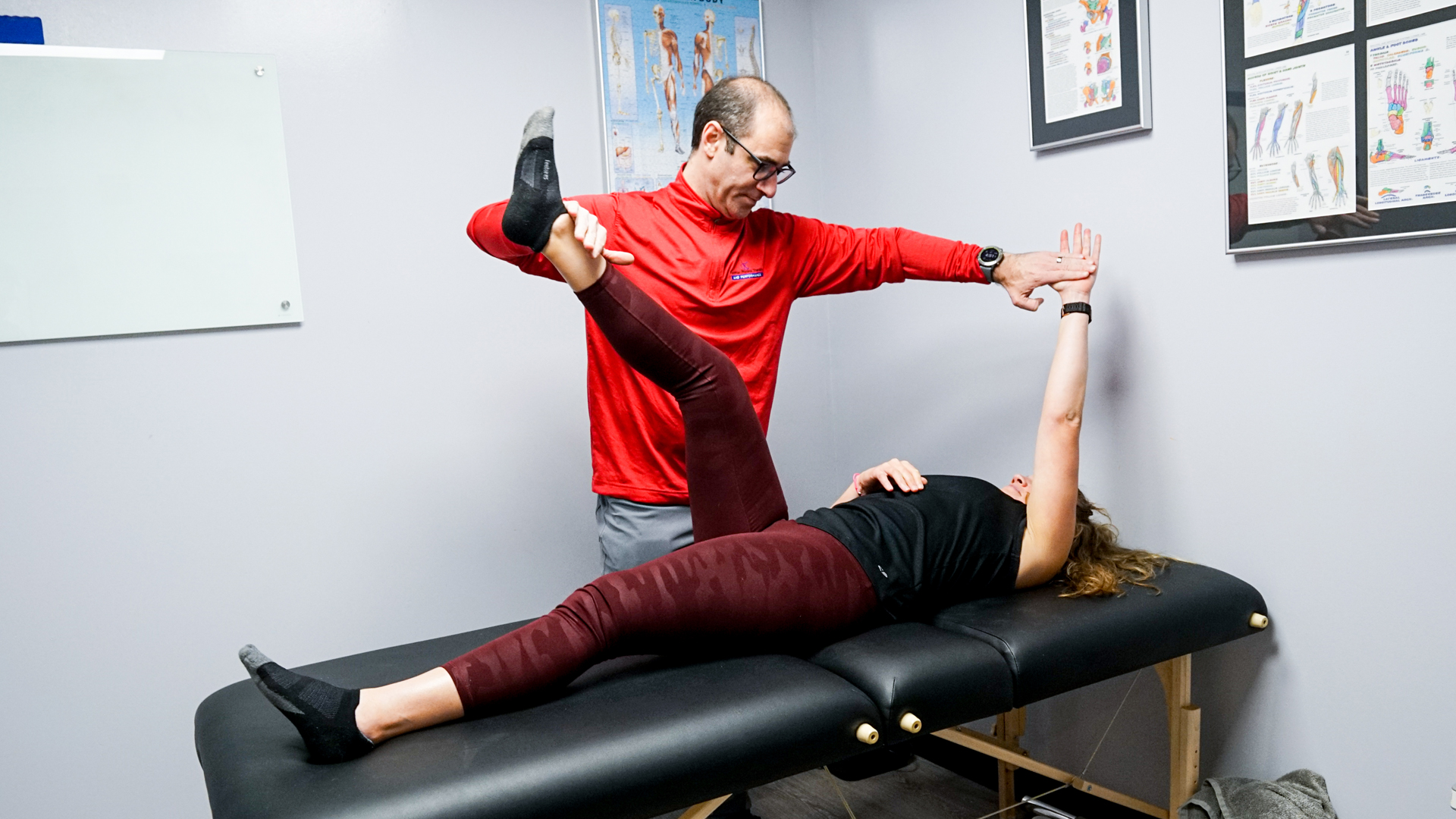
Thorough exercise guidelines highlight a integrated method to fitness, addressing bodily, psychological, and social factors of lifestyle. Seniors are advised to ease in and progress at a comfortable pace, maintaining injury prevention while avoiding strain. Adding warm-up and cool-down routines reduces strain, while appropriate fluid intake and diet complement exercise routines. Additionally, community-based programs—such as group fitness classes or organized group walks—offer avenues for companionship, encouragement, and emotional support, which are just as vital to complete fitness.
Professional guidance plays a key role in helping aging individuals design tailored exercise plans. Consulting physicians, physical therapists, or qualified visit instructors guarantees that routines are aligned to individual health conditions, physical capabilities, and goals. These experts can suggest appropriate training methods that address issues such as arthritis, osteoporosis, or heart health concerns. Through regular monitoring and adjustment, fitness routines continue to be productive and rewarding, encouraging lasting participation and success.
Ultimately, enabling older adults to adopt wellness through structured fitness frameworks fosters a culture of active aging. When older adults are equipped with knowledge, motivation, and structured support, they gain assurance in their strength and appreciate greater freedom. Sustained fitness improves not click over here only muscle capacity but also focus and well-being. By promoting adaptive, expert-led training systems, organizations can ensure that each older adult has the chance to lead a balanced, vibrant, and rewarding lifestyle.